
Discriminatory Tax Foreclosures
- Status: Victory!
- Latest Update: Dec 19, 2023

Homeowners in Detroit are experiencing a severe tax foreclosure crisis, with many losing their homes based on their inability to pay taxes that never should have been assessed in the first place. Even though taxes in Michigan must be based on the true cash value of a home, the City of Detroit failed to reduce the tax assessments to match plummeting property values following the Great Recession. Also, although homeowners who meet the federal poverty guidelines are excused from paying property taxes, Detroit’s process for obtaining the poverty exemption became so convoluted that few people who qualify could actually receive the benefit. These policies have a grossly disparate impact on African American homeowners, who are ten times more likely to lose their homes than non-African Americans. In 2016 the ACLU of Michigan, NAACP Legal Defense Fund (LDF), and the Covington & Burling law firm filed a lawsuit asserting violations of the Fair Housing Act and due process. In July 2018 we reached a historic settlement agreement with Detroit that has the potential to save the homes of thousands of low-income residents. Under the terms of the settlement, homeowners who qualify for a poverty exemption can buy their homes back for $1000, and Detroit created a streamlined, user-friendly poverty exemption application process. Detroit also paid damages to the named plaintiffs and contributed $275,000 to a fund that will help low-income homeowners. In 2019 and 2020 we continued to work with the city and community partner organizations to make sure that the settlement is properly implemented through a three-year enforcement period. In July 2021 we joined LDF in filing a friend-of-the-court brief in a case raising similar claims in the Sixth Circuit, this time seeking damages on behalf of homeowners who had been harmed by the overassessments before new policies were put in place. In July 2022 the Sixth Circuit agreed with our position that the state’s process for addressing a retroactive problem with tax assessment notices had been so convoluted and dysfunctional that homeowners can seek relief in federal court. (MorningSide Community Organization v. Wayne County Treasurer; Howard v. City of Detroit; ACLU Attorneys Bonsitu Kitaba-Gaviglio and Dan Korobkin; co-counsel Coty Montag and Ajmel Quereshi of LDF, and Shankar Duraiswamy, Amia Trigg, Donald Ridings, Wesley Wintermyer, Sarah Tremont, and Jason Grimes of Covington & Burling.)
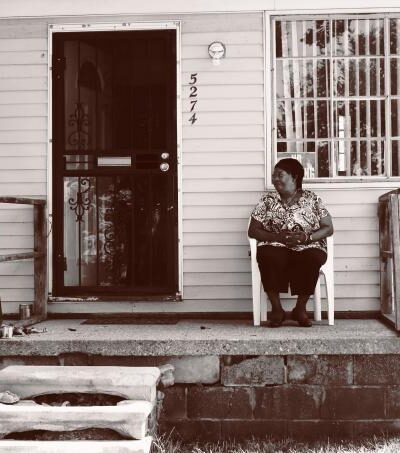
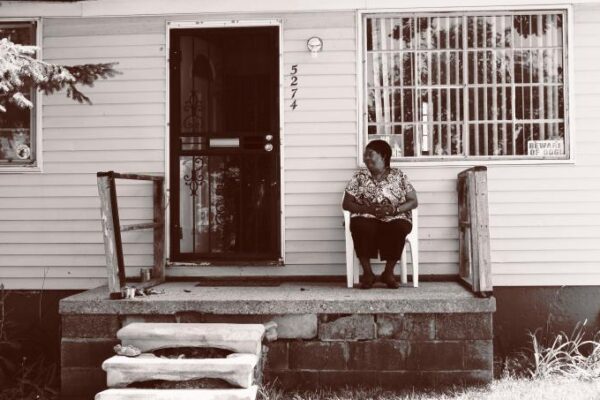
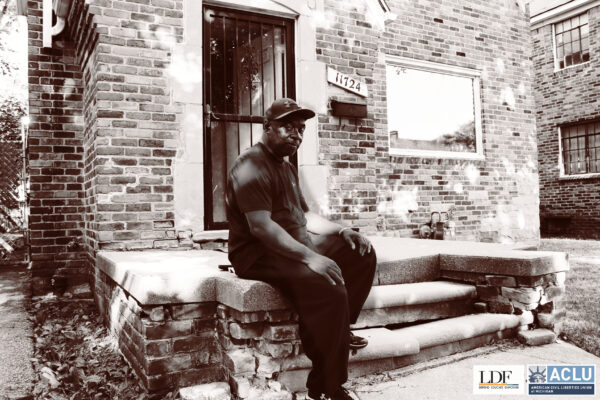
READ THE PLAINTIFFS' STORIES: FIXING DETROIT'S TAX FORECLOSURE CRISIS
- Tax Foreclosures Complaint_071316
- Discriminatory Tax Foreclosures - Morningside v Wayne County Treasurer - Settlement Agreement.pdf
Affiliate: MI
Download documentAffiliate: MI
Download documentACLU, NAACP Legal Defense Fund Settle Tax Foreclosure Case, Enabling Low-Income Detroiters in Foreclosure to Keep Their Homes for $1,000

Related News & Podcasts
ACLU, NAACP Legal Defense Fund Settle Tax Foreclosure Case, Enabling Low-Income Detroiters in Foreclosure to Keep Their Homes for $1,000
Stay Informed
Sign up to be the first to hear about how to take action.
By completing this form, I agree to receive occasional emails per the terms of the ACLU’s privacy statement.
By completing this form, I agree to receive occasional emails per the terms of the ACLU’s privacy statement.