
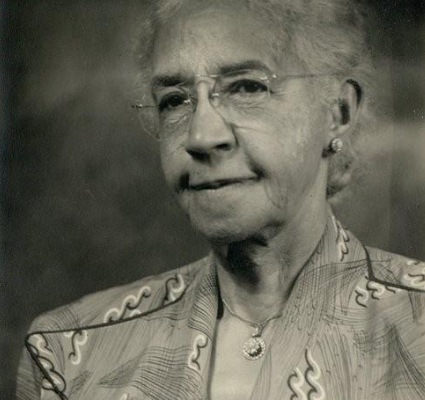
As part of our Women’s History Month celebration, we’re highlighting the lives of seven Michigan women, each of whom have made history in their own way. From a Native American who broke new literary ground in the early 1800s to the first Black woman named Michigan’s poet laureate, it is a list that encompasses a wide range of women spread across three centuries. What connects them is the fact that, despite the obstacles faced, they’ve all achieved much (with some having much more achieving yet to come!), the lives of countless others in the process. Along with the progress made over the past three centuries, the list also reflects the diversity in race, ethnicity and culture that make us all better off as a society.
Native American Literary Pioneer
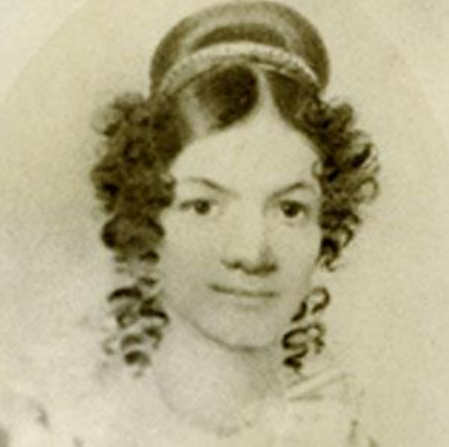
The granddaughter of a noted Ojibwe chief and the daughter of an Irish fur trader, Jane Johnston Schoolcraft’s native name, Baamewaawaagizhigokwe, translates to “Woman of the Sound the Stars Make Rushing Through the Sky.” The poetry of that name is fitting for the woman credited with being the first known Native American writer. Born in Sault Ste. Marie, she started writing poems and stories around the age of 15, when she also began translating songs and other Ojibwe works.
“As a poet, essayist, storyteller, and translator, she was dedicated to preserving her people’s cultural contributions by committing them to the written word,” according to a description of her posted on the Michigan Women’s Hall of Fame website. “In the process, she created a body of work that is recognized today as having a unique and invaluable place within American literature.”
Her legacy is further burnished by the fact that she accomplished all she did despite the discrimination toward both women and Native Americans prevalent during her life, which came to an end in 1842.
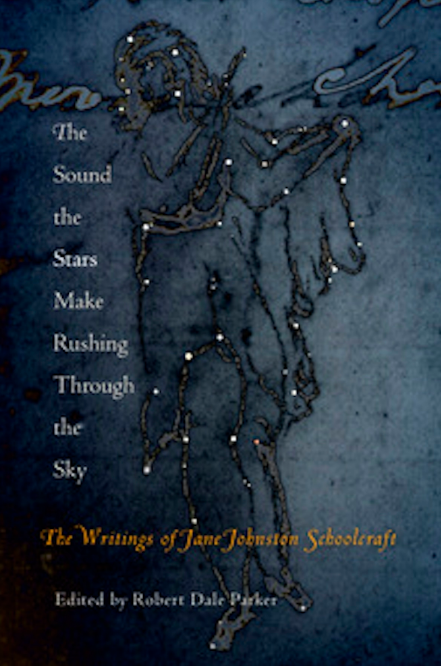
Her collected writings, as well as an account of her extraordinary life, can be found in a 2007 volume edited by Robert Dale Parker and titled The Sound the Stars Make Rushing Through the Sky.
The Abolitionist Quaker with a Bounty on Her Head
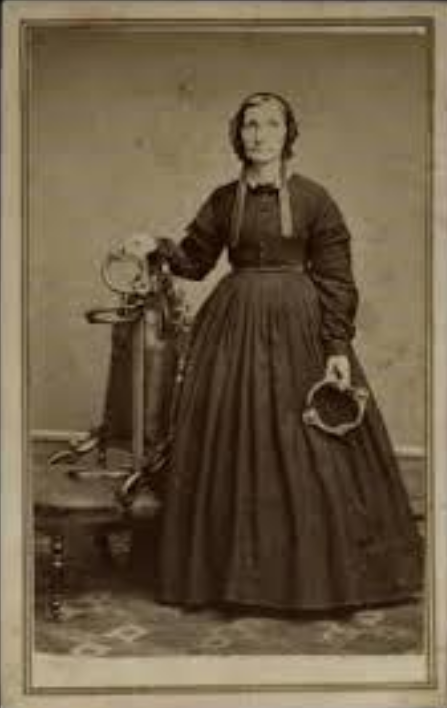
Laura Smith Haviland (1808-1897), was Quaker woman who broke ground on both the civil rights and educational fronts. As co-founder of the Logan Female Anti-Slavery Society, she played a key role in establishing one of Michigan’s stations along the Underground Railroad to Canada, which as many as 100,000 people escaping slavery travelled. Her success as a “superintendent” along that route provoked plantation owners into placing a $3,000 bounty on her head.
In addition to her work as an abolitionist, she and husband Charles co-founded Michigan’s Raisin Institute, a school for indigent children that was one of the first in the U.S. to admit Black students. Later, she became a leader of the women’s suffrage movement.
She also wrote an autobiography titled “A Woman's Life-Work — Labors and Experiences of Laura S. Haviland,” which, as one summary explains, chronicles “her childhood inquiries about faith and morality, laying the groundwork for her future activism as she navigates personal losses and the broader issues surrounding slavery. This beginning sets the tone for a life dedicated to social reform and personal faith, promising a rich tapestry of emotional and historical insights into her journey.”
Opening Doors for the Civil Rights Movement
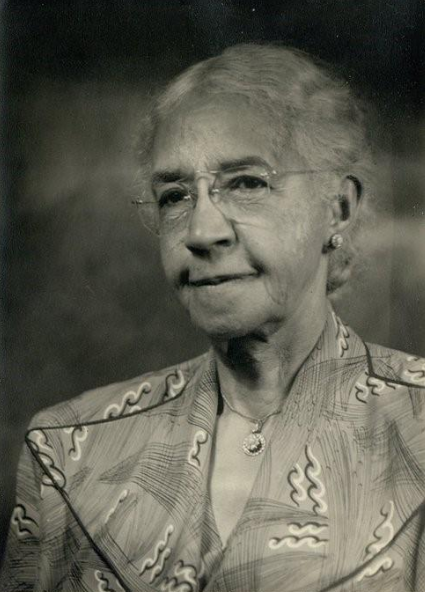
A child of the Jim Crow South, Fannie B. Peck and her husband, the Rev. William H. Peck, came to Detroit in 1928. Two years later, at the age of 50, she founded the Housewives' League of Detroit with the goal of educating Black women about the economic clout they wielded, and how to flex that muscle by only patronizing Black-owned businesses or businesses that employed Black people. With America in the grips of the Great Depression, the movement quickly expanded as Peck organized league chapters in multiple cities across at least six states. When the National Housewives’ League of America was founded in 1933, Peck became its first president. At its peak, the organization had more than 10,000 members.
Among other things, as the Michigan Women’s Hall of Fame points out on its website, Mrs. Peck also “created the Fannie B. Peck Credit Union, which gave African Americans in Detroit the chance to create financial legacy, start their own businesses, buy a home, and send their children to college. She also created the first cemetery for African Americans in etroit and picketed the Midwest meatpacking industry to allow average citizens to be able to afford meat for their families.”
What will be remembered most, though, is the trailblazing path of the organization she founded. With “Don’t buy where you can’t work” as its slogan and the efforts made to pursue that goal, the group cemented its place as pivotal player “in the modern civil rights movement by pioneering economic nationalism as a strategy for racial advancement,” creating a tremendous sense of empowerment within the Black community.
Always “Out” When Few Were So Brave
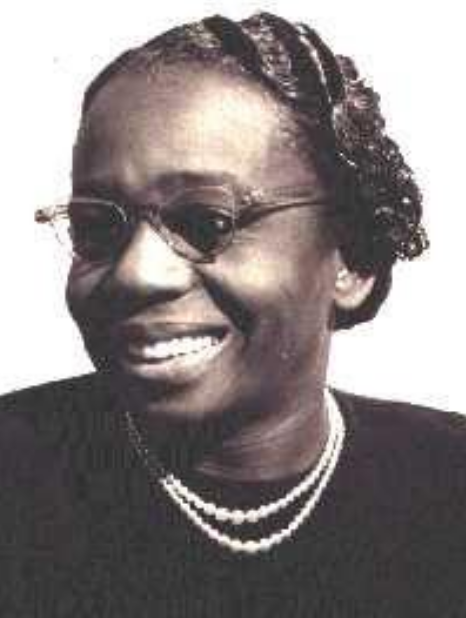
Born in 1899 and living to the age of 101, Ruth Ellis famously declared, "I was always out of the closet. I didn't have to come out." She was, indeed, fearless, living openly as a lesbian at the age of 15 despite the intense discrimination queer people faced throughout her long life.
She broke other ground as well by becoming the first Black woman in Detroit history to own a printing business after moving to the city in the late 1930s from her native Illinois.
Her greatest legacy, though, is found in what she did for the LGBTQ+ community – not just in Detroit, or southeast Michigan, but for the entire Midwest – by opening the home she and her partner shared to queer Black people, who were ostracized from both gay and Black establishments. One source described the importance of that this way:
“Starting in the 1940s, Ruth Ellis’ home also served as a haven for gay African Americans who had few social venues at which to meet. People gathered from around the region to sing, dance, and play cards there. They also drew support from Ellis, and counsel during tough times. Ellis was known for giving everything she had to those in need, particularly young people for whom she bought books and food, and even assisted with college tuition.”
Motivated by Ellis’ example, friends decided to continue her legacy by creating Detroit’s Ruth Ellis Center, which provides services and shelter for homeless and at-risk LGBTQ+ youth.
An inspiring documentary about her, “Living with Pride: Ruth C. Ellis @ 100” can be viewed here. People interested in learning even more about this remarkably brave women and the amazing life she lived can visit the University of Michigan’s Bentley Historical Library, which houses a collection photographs, letters, and journals that reveal the story of a woman who changed lives by refusing to be anything other than herself.
Empowering Hope, Serving Humanity
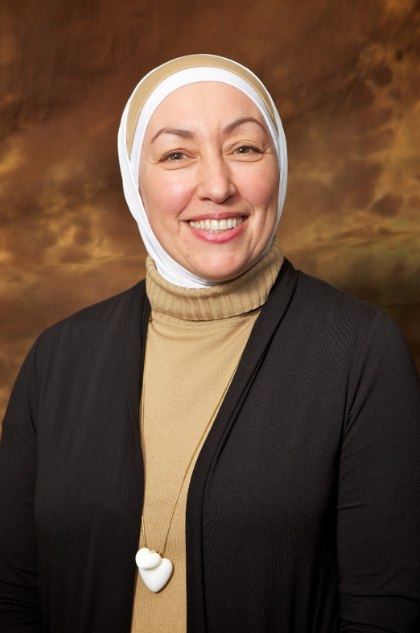
Hailing from Dearborn, Najah Bazzy’s pursued a decades-long career specializing in critical care and transcultural nursing. Disturbed by the extreme poverty and substandard living conditions of patients she visited during post-discharge house calls, she was compelled to address the problem. Her solution: Zaman International.
Founded in 1996, the organization, as explained on its website, is a “a grassroots network of Southeast Michigan donors providing food, furniture, clothing and utility assistance to marginalized women and children throughout the region. The organization was incorporated in 2004 and, under Bazzy’s leadership, now offers comprehensive crisis assistance, infant burial, and vocational training and life skills programs – all operated out of its 40,500-square-foot Hope for Humanity center in Inkster, Mich. Through partnerships with international relief organizations, Zaman has also funded projects such as the Sips of Hope Well Campaign, bringing humanitarian aid and safe drinking water to more than 2 million people globally.”
In 2019, she was recognized as a Top Ten CNN Hero, “highlighting Zaman’s growth from a grassroots team of volunteers to a world-class organization with a global reach that has helped more than 2.87 million people in 20 countries since 2010.”
A quote from her speaks volume about what motivates Bazzy, and the organization she founded:
“We have a human responsibility to care for one another. People just need opportunity -- they deserve dignity and want hope -- and that’s what Zaman does best. As a nurse, I fix things and heal others. And Zaman is just a place that heals the world.”
Fearless Fighter for Children’s Health

A first-generation Iraqi-American who grew up in Royal Oak, Dr. Mona Hanna (formerly Hannah-Attisha) first gained widespread acclaim for the pivotal role she played in uncovering the Flint water crisis. From there, she’s only continued to do even more good for Michigan’s children.
The work she did in Flint took no small amount of courage. The state was working furiously to counter reports from a citizen-led effort that, with the help of scientists at Virginia Tech and the ACLU of Michigan, disclosed that levels of lead in the city’s drinking water were drastically higher than officials were claiming.
As director of Hurley Medical Center's pediatric residency program, she was in a position to cut through the confusion. By comparing lead levels in the blood of Flint children with that of those in the rest of Genesee County, which wasn’t exposed to the tainted water, she showed conclusively that use of the Flint River was causing lead levels in children to rise. The state’s initial response was a desperate attempt to discredit her, saying she was “slicing and dicing” the numbers. But when others analyzed the data and came to the same conclusion, she was vindicated, setting the stage for the state to finally relinquish and allow the city to return to the safer water provided by the Detroit system.
Her dedication and courage resulted in a slew of honors, including a spot on Time Magazine's list of the 100 Most Influential People of 2016, the Ridenhour Prize for Truth-Telling, the PEN American Center James C. Goodale Freedom of Expression Courage Award, and Disobedience Award by the MIT Media Lab for "defying conventions of peer review as they sought to bring attention to Flint's water crisis before more people were affected.”
But she didn’t rest on those impressive laurels.
In January 2017, Hanna received a grant from the Michigan Department of Health and Human Services to create the Flint Registry, a public health program that helps provide long-term surveillance of and support to Flint water crisis victims. In 2023, she led efforts to create Rx Kids, the first citywide program in the U.S. designed to improve childhood wellbeing by providing cash allowances to pregnant moms and babies. Since then, the groundbreaking program has expanded to at least 11 communities around the state.
As if all that weren’t enough, she also wrote a critically acclaimed account of the Flint crisis titled “What the Eyes Don’t See,” which one reviewer described as having “the gripping intrigue of a Grisham thriller.”

Spreading the Word and Nurturing Storytellers
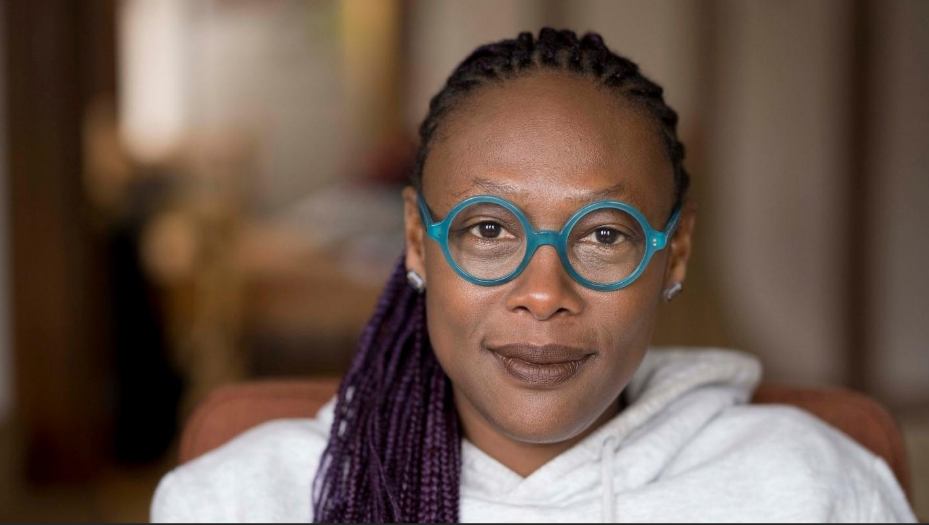
When she was appointed to a two-year term as Michigan’s Poet Laureate in 2023, Nandi Comer became the first Black woman in state history to hold the prestigious position. A Detroit native, the award-winning poet, essayist and educator used her new role to promote poetry, spoken word, and literary arts across the state. During her tenure as poet laureate, she focused her tenure on expanding literacy and engaging with students in schools and libraries.
One critic described her work this way: “Comer’s poetic narratives include explorations of violence, trauma, and identity. The exquisite complications of the Black experience in settled and unsettled spaces propel her linear explorations, which challenge the idea of metaphor and cadence.”
Her poetry collection titled “American Family: A Syndrome” (Finishing Line Press) was hailed for using “vivid imagery to examine the body's response to violence, history, and everyday life, listening for sounds like a mother's voice or the snap of a chicken bone to reveal deeper truths about the American experience.”
She received a B.A. in English and in Spanish with an emphasis on Latin American Culture from the University of Michigan. In 2016 she completed an M.A. in African American Literature from the Department of African American and African Diaspora Studies and an M.F.A. in Poetry from the English Department at Indiana University. She is a 2019 Kresge Literary Arts Fellow.
As noted on her website, Comer’s most recent poetry and performance project, Techno Poetics, “was an interdisciplinary performance program that used poetry to tell the story of the origins of Techno and contemporary Detroit music. Informed by her experiences growing up in Detroit, Comer writes and performs literary pieces that incorporate the history of the city while also examining race, gender, sexuality, and class.

Sources include: Michigan Women’s Hall of Fame, University of Michigan’s Bentley Historical Library, and Smithsonian